
Commercial Solar Tax Credits End December 31, 2027: Why Businesses Must Start Now or Risk Losing Federal Incentives
Commercial solar and battery storage projects can help businesses lower operating costs, improve energy resilience, and reduce exposure to rising utility rates. But in 2026, the biggest reason to start planning is not just savings. It is timing.
Under current federal tax rules, eligible commercial property owners may be able to stack major tax incentives for solar and energy storage microgrids, including the 30% federal tax credit, a 10% Energy Community Bonus, a 10% Domestic Content Bonus, and 100% Federal Bonus Depreciation.
For qualifying projects, that can mean a direct federal tax credit of up to 50% of the project cost before depreciation benefits are considered.
The problem is that commercial solar projects do not happen overnight. Engineering, permitting, utility interconnection, procurement, construction, and inspections can take 12 to 18 months or more. To meet the December 31, 2027 deadline, businesses need to begin the process now in 2026.
If your company is considering commercial solar, battery storage, or a commercial solar financing strategy, waiting could mean losing hundreds of thousands of dollars in federal tax incentives.
Why the December 31, 2027 Deadline Matters
The federal incentive window for commercial solar is closing. For many applicable wind and solar facilities, current guidance points to a December 31, 2027 placed-in-service deadline.
That means your project generally needs to be fully completed, inspected, connected, and operational before the cutoff. Starting the conversation in late 2027 may be too late.
Commercial solar projects often require:
- Electrical infrastructure review
- Roof, ground-mount, or parking canopy layout analysis
- Engineering studies
- Structural review
- Utility interconnection applications
- Permitting
- Equipment procurement
- Construction scheduling
- Final inspections and utility approval
In California and many other markets, these steps can take 12 to 18 months. That is why businesses that want to protect their incentive opportunity should begin development immediately.
Commercial Solar Deadline Timeline
2026: Start site review, engineering, incentive analysis, and utility planning.
2027: Complete permitting, procurement, construction, inspection, and interconnection.
December 31, 2027: Federal incentive deadline for many applicable solar projects.
Eligible Commercial Projects May Qualify for Up to a 50% Federal Tax Credit
One of the biggest opportunities for commercial property owners is the ability to stack federal tax credits.
For qualifying solar and energy storage projects, businesses may be able to combine:
- 30% Clean Electricity Investment Tax Credit
- 10% Energy Community Bonus
- 10% Domestic Content Bonus
When all three apply, the total federal tax credit may reach up to 50% of the eligible project cost.
Potential Federal Tax Credit Stack
Base Federal Tax Credit: 30%
Energy Community Bonus: +10%
Domestic Content Bonus: +10%
Total Potential Federal Tax Credit: Up to 50%
Example: What a 50% Federal Tax Credit Could Mean
For larger commercial properties, the numbers can be significant.
| Project Cost | Potential Federal Tax Credit | Estimated Cost Before Depreciation |
|---|---|---|
| $500,000 | Up to $250,000 | $250,000 |
| $1,000,000 | Up to $500,000 | $500,000 |
| $2,000,000 | Up to $1,000,000 | $1,000,000 |
Actual savings depend on project eligibility, tax position, location, equipment sourcing, and IRS requirements. Businesses should always confirm the final tax treatment with their CPA or tax advisor.
The 10% Domestic Content Bonus
The Domestic Content Bonus can add 10% to the federal tax credit for eligible clean energy projects that meet domestic sourcing requirements.
In simple terms, the project must satisfy specific rules related to steel, iron, and manufactured products that are mined, produced, or manufactured in the United States.
This is why equipment selection matters. The panels, racking, inverters, batteries, and other eligible components should be reviewed early in the process so the project can be designed around incentive eligibility whenever possible.
For businesses trying to maximize their federal tax credits, Domestic Content should not be treated as an afterthought. It should be part of the project strategy from day one.
The 10% Energy Community Bonus
The Energy Community Bonus can add another 10% for qualifying projects located in eligible energy communities.
These may include certain areas with historical ties to fossil fuel employment, closed coal facilities, or other qualifying energy-related economic factors.
Because eligibility is location-specific, businesses should confirm whether their facility qualifies before assuming the bonus applies.
When a project qualifies for both the Energy Community Bonus and Domestic Content Bonus, the federal tax credit may increase from 30% to up to 50%.
100% Federal Bonus Depreciation May Improve First-Year Tax Benefits
The federal tax credit is only one part of the financial opportunity.
Eligible businesses may also be able to use 100% Federal Bonus Depreciation to write off qualified remaining asset value in year one. This can create a major first-year tax benefit for businesses with sufficient taxable income.
When combined with the federal tax credit, bonus depreciation can significantly improve the after-tax economics of a commercial solar or battery storage project.
Potential Incentive Impact
Federal Tax Credit: Up to 50% for eligible projects
Bonus Depreciation: Potential first-year write-off of qualified remaining asset value
Final tax benefit depends on project structure, basis reduction rules, tax appetite, and CPA review.
Why Waiting Could Cost Your Business Hundreds of Thousands of Dollars
Many commercial property owners assume they can wait until 2027 to make a decision. That assumption could be expensive.
By the time a business completes engineering, utility paperwork, permitting, equipment ordering, installation, inspections, and interconnection, the deadline may already be too close.
Waiting can create serious risks, including:
- Losing access to the 30% federal tax credit
- Missing the 10% Energy Community Bonus
- Missing the 10% Domestic Content Bonus
- Losing the ability to structure around current depreciation benefits
- Being delayed by utility interconnection queues
- Being delayed by permitting departments
- Facing equipment procurement delays
- Running out of construction time before the deadline
For larger commercial facilities, these delays could mean permanently losing hundreds of thousands or even millions of dollars in federal tax capital.
Solar and Storage Microgrids Can Create More Control
Commercial solar is not just about reducing the utility bill. When paired with battery storage, a solar project can become part of a larger energy resilience strategy.
Solar and storage microgrids can help businesses:
- Reduce peak demand charges
- Improve backup power capabilities
- Control energy costs
- Protect operations from outages
- Support sustainability goals
- Create long-term financial predictability
For facilities with high energy usage, demand charges, critical operations, or large roof and parking areas, the combination of solar and storage may offer a stronger return than solar alone.
Commercial Solar Funding Options
Every business has different financial goals. Some want maximum ownership value. Others want to preserve cash. Some want to reduce tax liability. Others want predictable energy costs with minimal upfront investment.
Common funding options include:
- Cash purchase: Often provides the strongest long-term return and direct tax benefit control.
- Commercial solar loan: Allows the business to own the system while spreading payments over time.
- C-PACE financing: May allow eligible property owners to finance improvements through a property assessment.
- Solar lease: Can reduce upfront cost, though tax benefits may be captured by the system owner.
- Power Purchase Agreement: Allows a third party to own the system while the business buys the electricity produced.
Funding Options Compared
Direct Ownership: Highest long-term incentive control
Solar Loan: Strong ownership path with less upfront pressure
C-PACE: Strong option for eligible property owners
PPA or Lease: Lower upfront cost, lower direct tax benefit control
Why Businesses Should Start With a Feasibility Study
The smartest first step is not signing a contract. It is understanding what your facility can support and what incentives may apply.
A commercial solar and storage feasibility study can help determine:
- How much solar your facility can support
- Whether your roof, land, or parking area is suitable
- Whether battery storage makes financial sense
- Whether your site may qualify for Energy Community incentives
- Whether Domestic Content can be included in the project strategy
- How much you may save with federal tax credits
- How depreciation may impact first-year tax benefits
- What your estimated payback and cash flow could look like
This is especially important before the 2027 deadline because businesses need time to make informed decisions, secure approvals, and complete the full development process.
Schedule a No-Cost Commercial Solar and Storage Feasibility Study
Our in-house California solar engineering and installation team helps commercial property owners evaluate solar, battery storage, and microgrid opportunities before the federal incentive deadline.
During your no-cost onsite walkthrough, our engineering team will:
- Assess your electrical infrastructure
- Review your roof, ground-mount, or parking canopy layout
- Evaluate solar and storage options
- Analyze your utility bills
- Identify potential incentive opportunities
- Review Energy Community and Domestic Content eligibility
- Create a custom financial cash-flow model
- Build a roadmap to help your project move before the deadline
The federal incentive window is closing. If your business wants to take advantage of commercial solar tax credits, Domestic Content bonuses, Energy Community bonuses, and bonus depreciation opportunities, the time to start is now.
Schedule your no-cost onsite walkthrough today and find out how much your business may be able to save before the December 31, 2027 deadline.
Commercial Solar Tax Credit FAQs
Can commercial solar projects qualify for up to a 50% federal tax credit?
Yes, eligible commercial projects may qualify for up to a 50% federal tax credit by combining the 30% base federal tax credit with a 10% Energy Community Bonus and a 10% Domestic Content Bonus. Eligibility depends on project location, sourcing, labor rules, and IRS requirements.
What is the Domestic Content Bonus?
The Domestic Content Bonus is an additional 10% federal tax credit opportunity for eligible projects that meet specific requirements for U.S.-produced steel, iron, and manufactured products.
What is the Energy Community Bonus?
The Energy Community Bonus is an additional 10% federal tax credit opportunity for qualifying projects located in eligible energy communities.
What is 100% Federal Bonus Depreciation?
100% Federal Bonus Depreciation may allow eligible businesses to deduct qualified remaining asset value in year one. Businesses should work with a CPA to determine how this applies to their project.
Why do commercial solar projects need to start in 2026?
Commercial solar projects can take 12 to 18 months or more due to engineering, permitting, utility interconnection, equipment procurement, construction, and inspections. Starting in 2026 gives businesses a better chance of completing the project before the December 31, 2027 deadline.
What happens if a business waits too long?
Waiting too long could cause the project to miss the federal incentive deadline, potentially resulting in the loss of major tax credits and depreciation benefits.
STAY IN THE LOOP
Subscribe to our free newsletter.

Fairfield, CA – February 5, 2024 – Clean Energy Funding Solutions is proud to announce that its CEO, Ken Stout, has been recognized with the prestigious 2023 Inspire Award by Creative Arts Solano. The award was presented during a ceremony on February 4th, 2024, in recognition of Mr. Stout’s unwavering commitment and over four decades […]
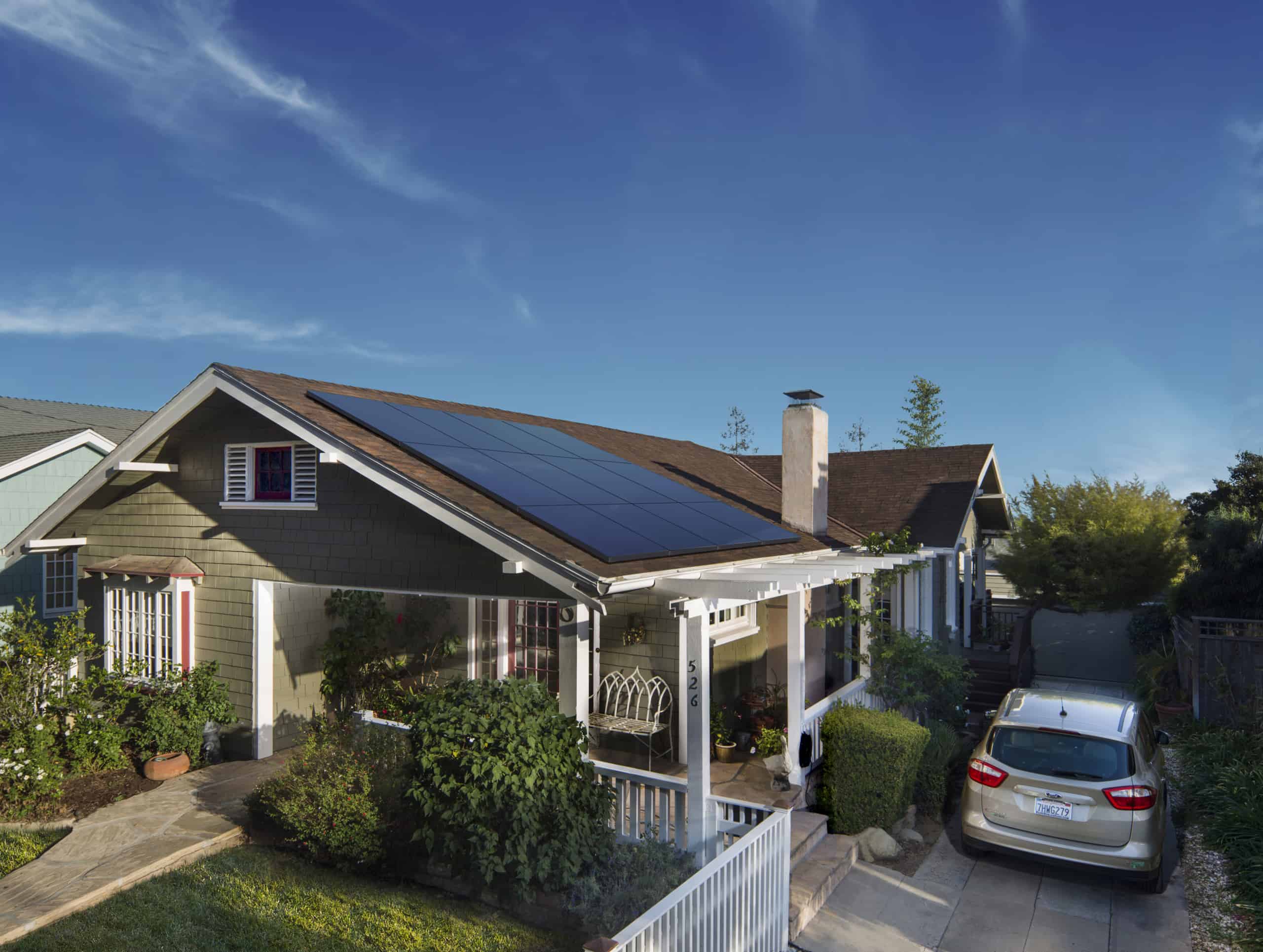
Making the switch to environmentally friendly solar with SunPower® generates power for 25 to 30 years or more — it’s a long-term project. It is so important to protect your investment with a warranty. SunPower’s Complete Confidence Warranty is considered the most comprehensive in the solar industry. Here’s why. Solar warranties come in three main […]
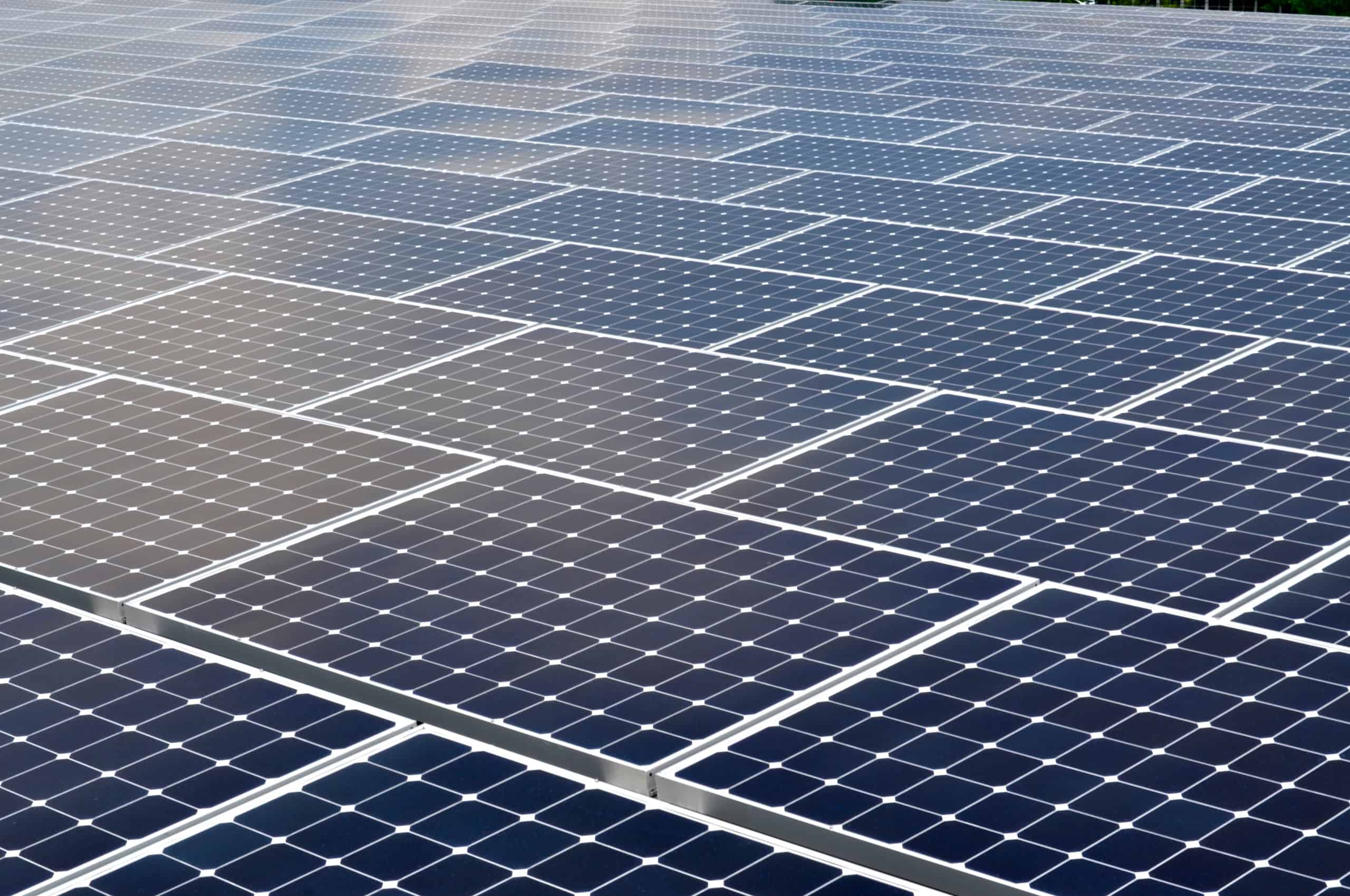
As you research commercial solar panel options for your business, you may come across the term “solar panel efficiency.” But what does that phrase mean and does it really matter? What other characteristics of commercial solar panels should you be aware of when evaluating and comparing your choices? 1. Solar Panel Efficiency and Why it Matters Solar panel […]
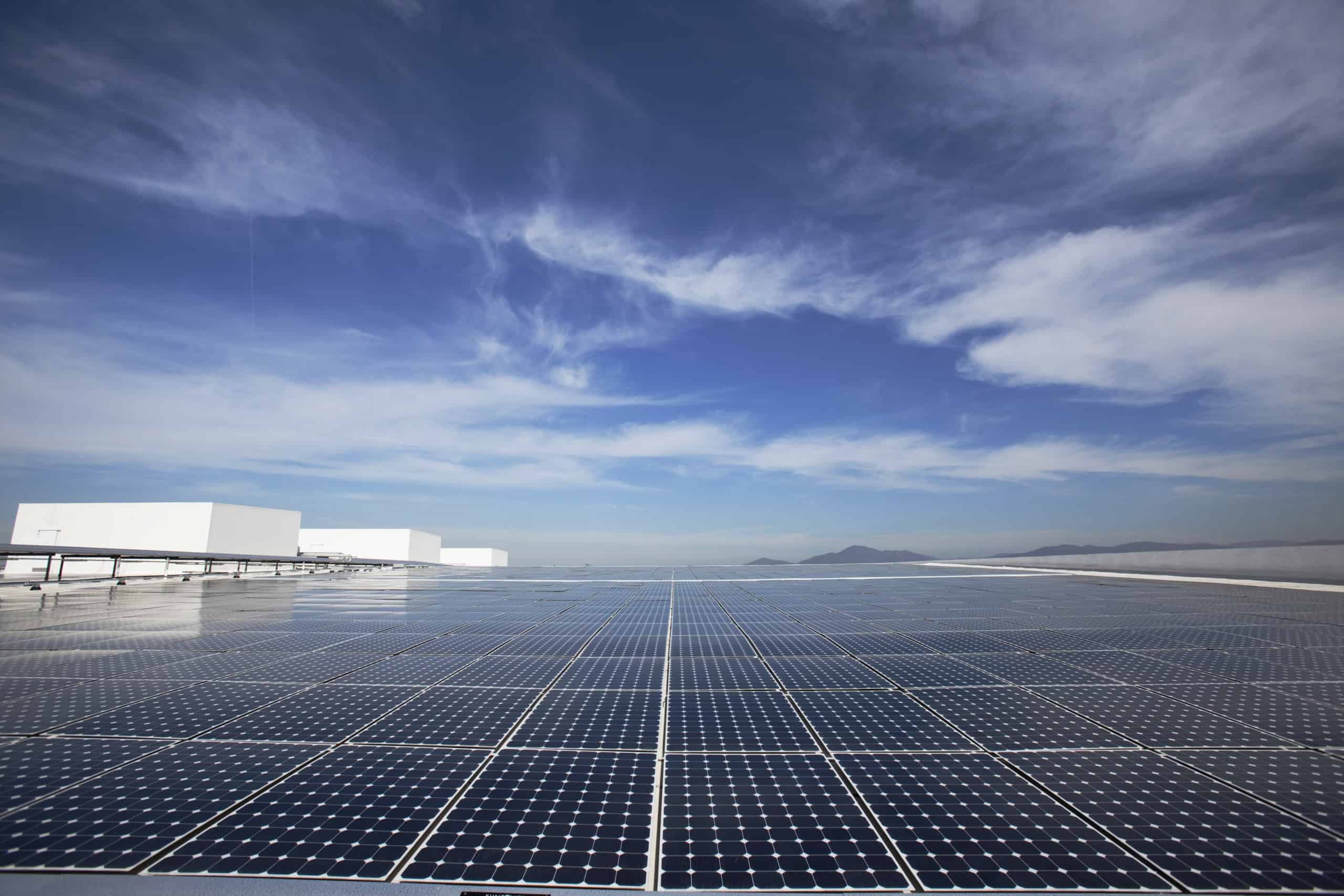
Because commercial solar panels are a significant and long-term investment, business leaders who take the leap will want to know that their investment is covered. Enter a solar panel warranty. Solar warranties mitigate the risk of faulty equipment, breakage, and/or underperformance that might occur. Luckily, problems with solar panels are statistically rare, particularly when you choose solar equipment from proven solar […]